 Company Activities
Team Building for Logistics and Warehouse Teams: How to Get It Right
Why warehouse and logistics teams almost never get team building, and which formats really work with…
Read more
Company Activities
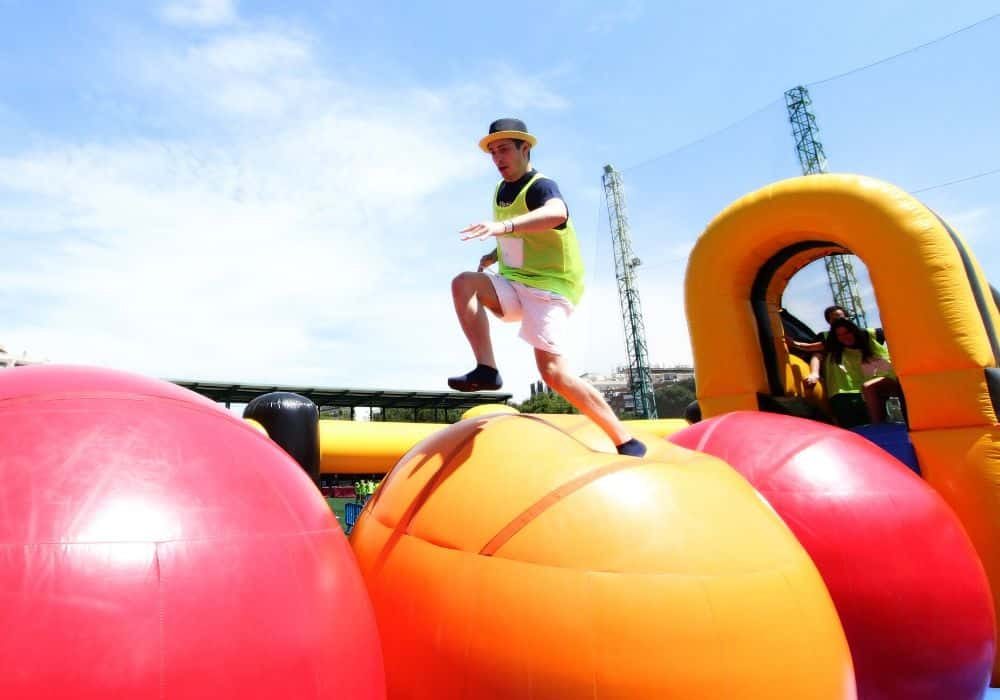
When people talk about team building, it's easy to picture multi-day retreats, chartered coaches heading out to a countryside estate, or budgets that only a large corporation could afford. That image, however, doesn't reflect the reality of most Spanish companies, which are small and medium-sized businesses with teams of five to fifty people and much tighter training and wellbeing budgets. The good news is that the impact of a team building activity doesn't depend on how much money is spent, but on how well it's designed, whether it connects with the team's real challenges, and whether it's delivered professionally.
In fact, an SME has certain advantages over a large company when it comes to team building: teams are smaller, people already know each other well, and a single well-designed activity can reach everyone on the payroll — something that's practically impossible in a multinational with thousands of employees. Working with a reduced budget isn't about sacrificing quality; it's about choosing the right format, adjusting the length, and making the most of resources you already have on hand.
There are dozens of formats that deliver a memorable experience without blowing the budget. The key is to prioritize activities that spark conversation, real collaboration, and a moment of genuine disconnection, rather than focusing on production value or props.
Half-day activities, whether scheduled for morning or afternoon, cut down on catering, travel and logistics costs without sacrificing the experience. Activities like a laughter therapy session or a scaled-down cooking workshop work really well because they don't require large venues or complex materials, and in just a few hours they break the routine and bring colleagues closer together who normally only cross paths on a video call.
Another interesting option for smaller teams is an eco-friendly scavenger hunt, which combines light physical activity, teamwork and a sustainability angle that tends to go down very well, especially if the company wants to reinforce its environmental commitment without a big budget.
Team building doesn't have to happen outside the office. Short activities within your own workspace, combined with a special lunch or a shared breakfast, can create an effect very similar to a full outing if they're planned with intention. Blocking out two or three hours of an afternoon, switching off email, and setting a simple challenge for mixed teams is usually enough to break up the daily routine and create shared memories that require neither transport nor a big venue.
When the budget is limited, the most common mistake is trying to cover everything at once: an elaborate meal, a sophisticated activity, a gift for every attendee and an exclusive venue. The result is usually a mediocre experience across the board. It's better to concentrate spending on one or two elements that really make a difference — usually the activity itself and a good shared meal or drink — and simplify everything else.
Planning ahead also helps a great deal. Booking dates and suppliers several weeks in advance usually leads to better rates than organizing something last minute, as well as giving you time to compare proposals and adjust the format to what the team actually needs.
One of the most frequent mistakes in SMEs is copying the format used by a large company without adapting it to the real size of the team: hiring services designed for a hundred people when the team is only fifteen tends to push up costs unnecessarily. Another common mistake is not setting a clear goal before choosing the activity, which leads to decisions based on whatever's trending rather than what the team genuinely needs — whether that's improving communication, easing tension after a busy period, or simply celebrating a shared achievement.
It's also worth avoiding the temptation to pack too many elements into a single day. One activity, a good shared moment and a simple close are usually more effective than a packed agenda with multiple activities that leaves no time to enjoy the experience or for the spontaneous conversations that actually strengthen the team to happen.
The return on a team building activity can't always be put into a figure, but it does show up in observable signs: whether there are more spontaneous conversations between departments the next day, whether the atmosphere in meetings improves, whether jokes or shared references about the experience start to appear, or simply whether the team feels a bit more energized. Asking participants directly, informally, what they thought is usually the best measurement tool for an SME — far more useful than a formal survey that rarely gets answered honestly.
What matters is understanding that team building on a reduced budget isn't a watered-down version of something better, but a different format altogether — one designed for small teams looking for closeness, authenticity and a good use of shared time.
With a limited budget, choosing the right provider matters even more than at an event with plenty of room to manoeuvre. The cheapest option on paper isn't always the most cost-effective: a company that improvises the logistics, arrives late with the equipment, or has no experience managing groups can ruin, in a matter of minutes, an activity that was supposed to cost less. It's worth asking for references, checking on previous experience with companies of a similar size and, above all, speaking directly with whoever will be running the activity on the day — not just the sales team.
A provider used to working with SMEs tends to understand the real budget constraints better and knows how to suggest alternatives without the company having to ask for them explicitly: shortening the session without losing the core of the experience, swapping out an expensive element for an equally effective one, or adjusting the number of facilitators to the actual size of the group. That flexibility, more than the starting price, is what separates an activity that does its job from one that disappoints.
Imagine a twenty-person company that wants to organize a team building afternoon without overspending. A sensible approach might be to block out three hours on a Thursday afternoon, choose a couple-hour activity with an experienced facilitator, and close the day with a simple shared snack at a venue near the office, avoiding long-distance travel costs. This kind of planning — a single well-chosen activity plus a short social close — tends to feel like a full day out without needing to take up an entire day or book extra services like elaborate catering or exclusive venues.
This same format can be repeated several times a year on similar budgets, alternating activities so the team doesn't always have the same experience — which also allows the annual spend to be split into several smaller doses instead of concentrating it all in one big event.
One of the most common lessons among SMEs that commit to team building on a tight budget is that the benefits don't depend on spending, but on consistency. A company that regularly organizes small activities, even modest ones, tends to build a stronger team atmosphere over time than one that spends a large amount on a single annual event and then doesn't repeat the experience until the following year. Repetition, even in simple formats, reinforces habits of collaboration and helps the team see these moments as something routine rather than an exceptional, one-off event.
What's more, for an SME, every euro invested in team building tends to have a proportionally greater effect than in a large company, precisely because the group is small and everyone takes part in the same experience at the same time, without shift patterns, sites or departments diluting the effect of the activity.
At Kaizen Team Building we regularly work with small and medium-sized companies looking for activities with real impact without major investment. Knowing the size of the team, the goal of the day and the available budget allows us to suggest a format that fits — whether that's a couple-hour activity at your own office or a half-day outing somewhere nearby. You can browse our full range of activities on our team building page, find answers to common questions in our FAQ, or get in touch with us directly so we can help you design the proposal that best fits your SME and your budget.
We design the activity around your company and send a no-obligation quote within 24 hours. Here are some of the most popular:
Company Activities
Why warehouse and logistics teams almost never get team building, and which formats really work with…
Read more Company Activities
Why healthcare staff need team building that fits around their shifts, and how to design inclusive, …
Read more Company Activities
Incentives and team building are not the same thing: one rewards individual results, the other stren…
Read more