 Event
Event
Team Building for the Launch of a New Product or Project
Why starting a launch with a team building activity builds more commitment than an email or a slide-…
Read more
Event
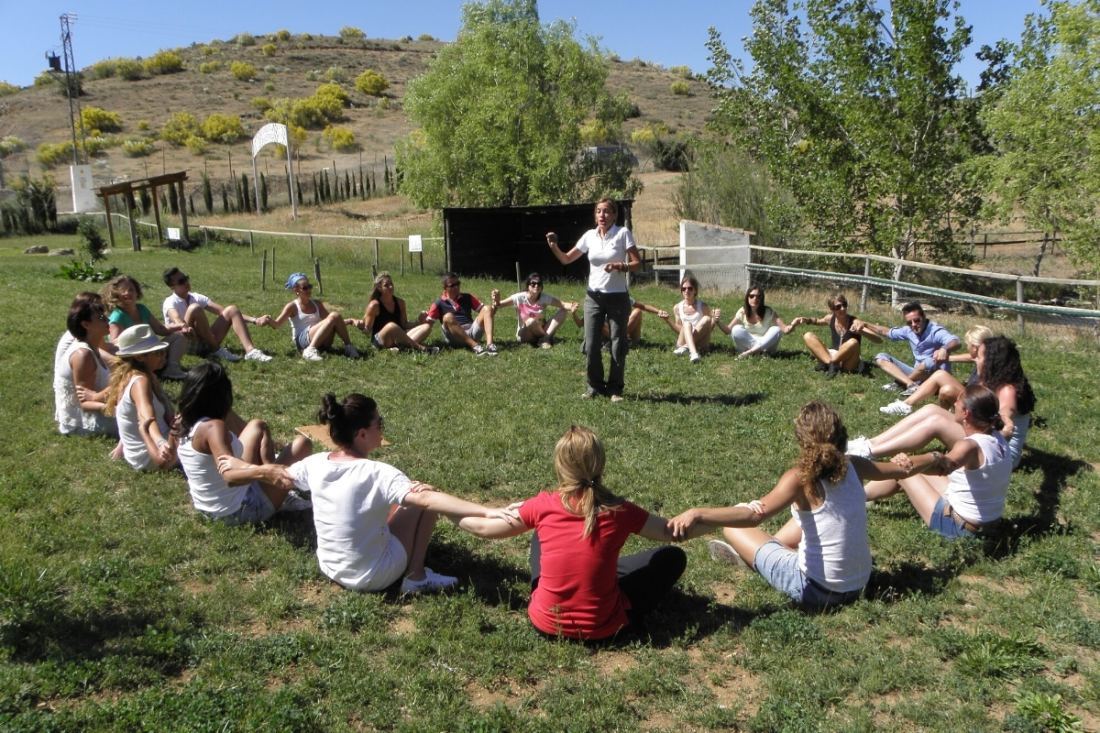
It's one of the first questions any HR or events manager asks when they start thinking about organizing a team activity: how much does a team building event cost? It's also one of the hardest questions to answer with a single figure, because the final price depends on variables that are very different from each other — from the number of people taking part to the city where the event is held or the time of year chosen. In this article we won't give you a fixed price, because there isn't one, but we will clearly explain which factors genuinely influence a team building budget, what rough ranges you can expect depending on the type of activity, and how to request a quote tailored to your company's real needs.
Any provider that gives you a fixed rate without knowing the details of your event is giving you, at best, an unreliable ballpark figure. The price of a team building activity isn't comparable to that of a standard product, because every event combines a different set of variables: how many people are taking part, how long the activity lasts, what type of activity is chosen, whether it includes catering or not, which city it's held in, what time of year, and what materials or technical resources it requires.
That's why, at Kaizen, we don't publish a fixed price list: we prefer to first understand what each company needs and prepare a budget tailored to that reality, rather than forcing the event to fit a generic rate that probably won't make sense for your specific case. What we can do, and it's the goal of this article, is explain in detail what pushes the price up or down, so that you can request a quote with a clear picture in mind.
This is, by far, the variable that carries the most weight. The more people taking part, the more materials, the more facilitators, and in many cases the more space is needed. However, the price per person doesn't always drop linearly with volume: past a certain number of participants, some activities require doubling up facilitation teams or splitting the group into shifts, which can affect the total cost in a way that isn't simply proportional.
A two-hour activity fitted into a workday doesn't cost the same as a full-day event, or an experience that stretches across two days with an overnight stay included. Duration directly affects facilitation hours, venue rental, and, for longer events, the additional services that tend to get added on, such as accommodation or transport.
A simple icebreaker doesn't require the same technical setup, materials, or specialized staff as a large-format experience with multiple stations, audiovisual equipment, or specific materials like those used in cooking, mixology, or building activities. The technical complexity of the chosen activity is one of the factors that varies the budget most from one proposal to another.
Including food, drinks, a coffee break, or a more elaborate catering service adds a significant line item to the budget, and one that varies a lot depending on the service level chosen. Companies often decide to handle this item separately, or else fold it into a closed package with the team building provider.
Costs aren't the same across every city or venue. Holding the activity at the company's own offices usually brings the budget down compared to renting an external space, and the facilitation team's travel also shows up in the final price, especially in locations far from the provider's main hubs. If your company is based in a major city, working with a provider that has local coverage, as is the case in Madrid or Barcelona, helps optimize this part of the budget.
As in many events sectors, demand isn't spread evenly across the year. Peak dates, such as the months leading up to summer or the last quarter of the year, coincide with more requests for corporate team building, which can limit availability for certain formats or specific dates. Booking in advance usually gives you more room to maneuver, both in terms of availability and terms.
Some activities require specific materials, sometimes consumable ones that need replenishing at every event. Others need technical equipment such as PA systems, screens, or special furniture. That equipment may be included in the activity's price or billed separately, depending on the provider and the type of activity.
With all of the above in mind, we can give you a general, rough sense of how the budget tends to move depending on the type of event, always with the understanding that these are broad, generic ranges, not a fixed rate:
We want to stress that these ranges are only rough and generic: two companies with the same number of employees can receive very different quotes depending on the activity chosen, the city, the date, and the additional services they need. The only way to know exactly how much your specific team building event will cost is to request a personalized quote.
If budget is a real concern for your company, there are ways to trim it without the activity losing impact:
It's also worth sorting out the most common questions about organization, duration, or included materials beforehand, which will help you arrive with a clear picture when requesting your quote.
Beyond the factors already explained, there are a few questions that come up frequently when a company first starts wondering how much it will cost to organize a team building event.
Not necessarily. A provider with national coverage and its own teams in several cities can offer very competitive terms even outside its main base, because it already has the logistics for that area worked out. What matters isn't so much where the provider is headquartered, but whether it knows the city where the event will be held.
Yes, as long as you request the same level of detail from each provider. Comparing a proposal that includes materials, insurance, and catering with one that only covers the activity itself isn't a fair comparison, even if the final numbers look similar at first glance.
It depends on each provider's terms, so it's worth asking before confirming the booking, especially if the event date depends on factors your company doesn't fully control, such as the availability of an external venue or a minimum attendance threshold.
There can be, in both directions. Outdoor activities sometimes avoid the cost of renting an indoor venue, but they may require permits, additional insurance, or a backup plan in case of bad weather, which also shows up in the final budget.
At Kaizen, we've been organizing team building across Spain for more than 15 years, and over that time we've found that the best results come when the budget genuinely fits each company's needs, not the other way around. That's why we don't work with published fixed rates: when you get in touch, we ask for the basic details of your event (number of participants, city, approximate date, and the type of goal you're after), and with that information we put together a proposal with activities and a budget tailored to you, with no obligation on your part.
If you're considering organizing a team building event and want to know how much it would cost in your specific case, the fastest step is to write to us through our contact form. It's free, comes with no obligation, and will give you a real figure — not a generic range — based on the more than 500 companies we've already helped organize their perfect event.
We design the activity around your company and send a no-obligation quote within 24 hours. Here are some of the most popular:
Event
Why starting a launch with a team building activity builds more commitment than an email or a slide-…
Read more Event
Event
How to use team building dynamics at networking events to break the ice between people from differen…
Read more Event
Event
Ideas and tips for celebrating your company anniversary by combining recognition, history and a memo…
Read more