 Company Activities
Team Building for Logistics and Warehouse Teams: How to Get It Right
Why warehouse and logistics teams almost never get team building, and which formats really work with…
Read more
Company Activities
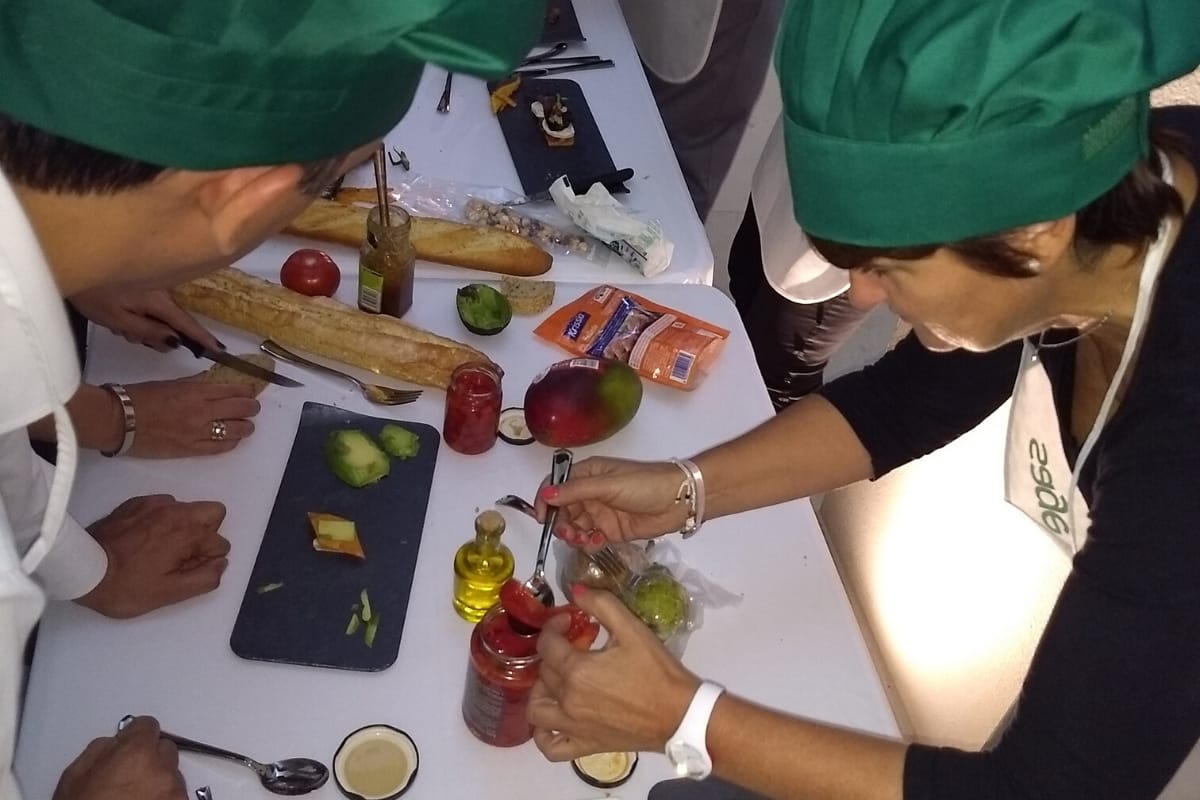
Few experiences build closeness between colleagues the way cooking together does. Dividing up tasks, coordinating timing, tasting, adjusting, and finally sitting down to enjoy what the team has made together is a perfect metaphor for collaborative work, and it leaves a tangible, delicious result at the end of the day. At Kaizen Team Building we've spent more than 15 years organising culinary team building activities for companies across Spain, and we know that the kitchen is one of the fastest places to break the ice between departments that don't normally cross paths day to day. In this article we explain why this format works so well as a corporate activity, and run through the best culinary proposals for your next corporate event.
Cooking forces people to make quick decisions, take on roles naturally -who chops, who plates up, who keeps an eye on the time- and coordinate several people around a shared goal with a very clear deadline: mealtime. That framework of moderate pressure, combined with a relaxed, sensory atmosphere, means communication and leadership dynamics emerge spontaneously, with no need to force any artificial exercise. What's more, the final result -a shared table- adds a social element that reinforces the effect of any team building activity carried out earlier in the day.
When the goal is to generate adrenaline and healthy competition, competitive cooking formats are the most effective option, since they demand coordination under real-time pressure.
Inspired by TV cooking shows, this format splits participants into teams who must prepare a full menu within a limited time, using set ingredients and, in many cases, a last-minute surprise ingredient. A jury -which can include company executives or a professional chef- judges presentation, taste and teamwork. It's one of the most complete culinary activities because it combines culinary creativity, time management and working under pressure, and it always ends with a shared meal that crowns the experience. You can see all the details on the Megachef page.
When the goal is a more relaxed experience, a cooking workshop led by a professional, where the whole team prepares several dishes together step by step, is a perfect alternative. There's no competition or real-time pressure, so the focus is on learning, cooperating in the kitchen and enjoying the process -something particularly valued by teams looking for a day of unwinding rather than a challenge. Learn about the format on the Cooking Workshop page.
Guided tastings bring a much calmer pace than competitive cooking workshops, and work especially well as a closing activity for a working day or a client event.
A wine tasting led by a sommelier, where the team learns to identify aromas, flavours and pairings while sharing impressions out loud, is one of the most requested culinary activities for project wrap-ups, Christmas dinners or client events. Its calm pace and sensory element make it a great fit for groups looking for a quieter activity, without losing the social side and relaxed conversation between colleagues from different departments. Discover the full format on the Wine Tasting page.
Beyond wine, tastings of artisan cheeses, extra virgin olive oils or locally sourced produce are a great way to introduce the team to the local food culture of the area where the event is held, adding a cultural-discovery element that fits really well into conventions or events with participants from different cities.
Mixology adds a strong playful, creative element, especially when it's framed as a precision and presentation challenge between different teams.
Making cocktails using molecular cooking techniques -spherification, foams, aromatic smoke- adds an almost laboratory-like element to a traditionally social activity like mixology. Each team experiments with surprising textures and presentations under the guidance of a specialist, turning the bar into a shared creative space that's perfect for after-work events, celebrations or convention closings. You can see the full proposal on the Molecular Mixology page.
For teams who prefer a more traditional format, learning to make classic cocktails -with or without alcohol- combining technique, measuring and presentation, is a light, highly social activity that works just as well as the closing act of a team building day as it does as a standalone activity for a company event.
Cooking also lends itself to activities with a purpose beyond the company itself, something that tends to leave a particularly lasting memory with participants.
Organising a cooking day where the team prepares portions or full meals that are later donated to a soup kitchen or charity combines every ingredient of culinary team building -coordination, creativity, working under moderate pressure- with a very tangible charitable purpose. The team competes and collaborates just like in a conventional cooking workshop, but the end result has a destination that goes beyond the company celebration itself, which usually significantly boosts participants' emotional engagement.
One of the aspects that needs the most care in any corporate culinary activity is managing the team's allergies, intolerances and dietary preferences. Before organising the activity, it's worth collecting this information from all participants and passing it on to the kitchen team or activity provider, so ingredients can be adapted and alternatives prepared without anyone being excluded from the experience. At Kaizen Team Building we always work with this information in advance, something that's been part of the experience of more than 500 companies that have trusted our culinary activities at different locations across Spain over the years.
Beyond their value as an internal activity, culinary experiences are one of the most effective formats for events involving clients or external partners, because sharing a table naturally lowers the formality of a business meeting. A guided tasting or a cooking workshop where employees and clients cook together on the same team creates a sense of closeness very different from a conventional business lunch, and makes for more open conversations between people who may have only known each other through email or video calls. This type of event can also be used to close out an open-house day, a product launch or a partner convention, combining the culinary element with a brief institutional presentation before or after the activity.
Choosing the right format mostly depends on the tone you want to set for the event. Competitive cooking workshops, like Megachef, work best when you're after energy, competition and a bit of showmanship, and fit well into year-end celebrations or sales motivation events. Tastings, on the other hand, are the ideal choice when the goal is unhurried conversation and a more relaxed atmosphere, as with client dinners or executive gatherings. Mixology, meanwhile, tends to be reserved for the final stretch of the day, as an after-work activity or convention closer, making the most of its festive, social character. Understanding these differences helps you choose the right culinary proposal for each type of event, rather than settling for the most popular option without considering whether it truly fits the goal you're after.
The culinary activity doesn't have to be the only thing on the agenda: it's common to pair it with a more physical or creative activity in the morning, leaving the culinary proposal for midday or the afternoon as a reward and a moment to unwind after the effort. For example, a team might complete a scavenger hunt or a sporting activity in the morning and close the day with a cooking workshop where they share what they experienced while preparing the meal together. This structure works especially well for full-day conventions, since it spreads the group's energy between a more active segment and a calmer one, avoiding a day that runs at the same intensity from start to finish. It's also a common approach on multi-day company trips, where the culinary dinner on the final day often becomes the symbolic closing moment of the whole event, making the most of the good atmosphere built up over previous days to share one last relaxed meal together. Whatever format is chosen, it's always worth leaving enough time at the end of the activity for the team to sit down and enjoy what they've made together, without rushing: that final moment around the table is often exactly what people remember most once the event is over.
Cooking, tasting or making cocktails together as a team is one of the most natural ways to build closeness between colleagues, and the result -a shared table at the end of the day- leaves a memory that lasts far longer than the activity itself. If you'd like to organise a culinary team building experience for your company, get in touch with Kaizen Team Building and we'll help you design the perfect menu of activities for your team.
We design the activity around your company and send a no-obligation quote within 24 hours. Here are some of the most popular:
Company Activities
Why warehouse and logistics teams almost never get team building, and which formats really work with…
Read more Company Activities
Why healthcare staff need team building that fits around their shifts, and how to design inclusive, …
Read more Company Activities
Incentives and team building are not the same thing: one rewards individual results, the other stren…
Read more