 Teamwork
Intergenerational Team Building: How to Bring Every Generation in Your Team Together
How to design team building activities that connect Baby Boomers, Generation X, Millennials and Gene…
Read more
Teamwork
A new employee's first month largely determines whether that person will stay with the company for the long haul or start browsing other job offers before the year is out. Yet many onboarding processes stop at explaining the org chart, handing over a welcome manual, and wishing the newcomer good luck. Team building onboarding delivers exactly what's usually missing in those first few days: real moments of human connection between the new hire and the team they'll be working with every day. In this article, we look at why new employee onboarding improves when paired with team dynamics, which types of activities work best at each stage of the process, and how to design an onboarding plan that combines training with team building without feeling forced to anyone involved.
Most onboarding plans are built to transmit information: internal policies, work tools, safety procedures, the org chart. All of that training is necessary, but it only solves part of the problem. Someone can know exactly how to fill out a timesheet and still feel completely disconnected from the team if nobody has taken the time to get to know them beyond their job title.
This mismatch between formal onboarding and human onboarding is one of the most common reasons a new employee never quite feels part of the project. It's not that colleagues lack goodwill — it's that day-to-day work rarely leaves room for that trust to build spontaneously. The first few weeks are packed with meetings, technical training, and pending tasks, and the human side of getting to know the team gets pushed down to whatever coffee breaks happen to come up.
When that bond isn't built intentionally, the risk of the person feeling disconnected rises — and with it, the likelihood they'll look for another opportunity before they've even hit full productivity. Introducing a well-designed team activity in those first few weeks helps speed up exactly the part of the process that traditional onboarding doesn't cover.
A well-designed team building activity during onboarding doesn't replace training — it complements it. Its role is to create a different context from the office, one where hierarchies blur a little and people relate to each other as colleagues solving something together, not as boss and subordinate, or as veteran and rookie.
Among the clearest benefits of adding team building to onboarding are:
None of this happens by magic just because you put people in the same room. It requires an activity designed with that specific goal in mind, and that's where the experience of a company specialized in team dynamics comes in.
Not every stage of onboarding calls for the same type of activity. It helps to think of onboarding as a process with several key moments, and to tailor team building to each one of them.
In the first few days, the goal is for the person to learn names, faces, and roles in a relaxed way. A short activity, one or two hours, focused on introductions and getting the first shared laughs in, is usually enough. There's no need for a huge production — sometimes a simple, well-run activity achieves more than a full day that's poorly planned.
Once the first few weeks have passed and the person already knows the basic context, it's time to strengthen the relationship with their closest working team. Half-day collaborative activities work well here, with challenges that force communication and task-sharing similar to what they'll encounter in their actual job.
Once the initial adjustment period is over, it makes sense to widen the circle. Larger activities, designed for multiple departments, help the person stop seeing the company only from their team's point of view and start understanding the bigger picture. A family-inclusive event or a whole-company gathering fits well at this stage, especially when the goal is integration that also reaches other levels of the organization.
Not every team building activity works equally well for onboarding new hires. Some are designed to strengthen already-established teams, while others work especially well when there are new faces in the room.
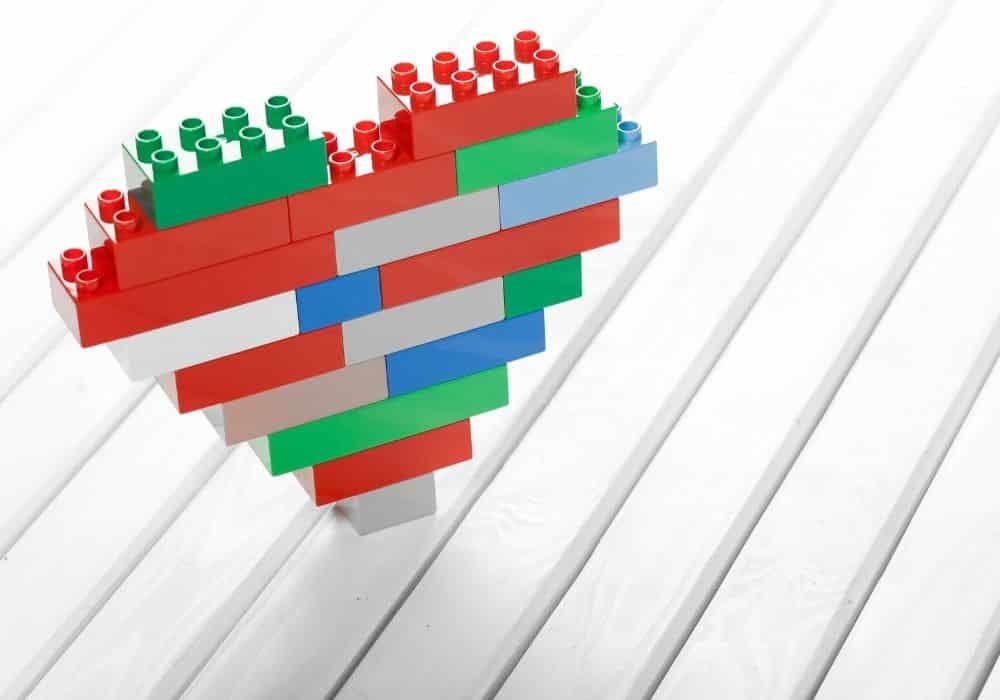
Activities that combine hands-on building with problem-solving, like LEGO® Re-Conecta, are especially useful for onboarding because they don't depend on prior knowledge of the company or on how long each participant has been there: everyone starts from the same point, which levels the playing field between the newcomer and the rest of the team.
When the onboarding goal also includes strengthening skills like communication, decision-making, or leadership, it makes sense to opt for formats with a coaching element, such as Corporate Coaching, which combine hands-on activity with learning that's applicable to the job from day one.
If onboarding involves several people at once, or coincides with a broader integration day, formats with multiple stations and challenges — combining several activities running simultaneously — let each new employee interact with more colleagues in a short amount of time, which is especially valuable when there are several new hires starting together.
For team building to have a real impact on new employee onboarding, it should be treated as one more piece of the onboarding plan, not as a standalone event disconnected from the rest of the process.
If your company hires regularly, it may make sense to design a small calendar of recurring onboarding-linked activities, rather than improvising every time someone new joins. Browsing the full catalog of team building activities is a good starting point for finding the format that best fits your hiring pace.
Not just anything works when planning an onboarding activity. Some common mistakes undercut the initiative, no matter how good the intentions are:
Avoiding these mistakes is, in large part, a matter of experience and of knowing the catalog of available activities well enough to match each specific situation.
Adding team building to the onboarding process isn't a luxury reserved for large corporations with unlimited budgets; it's an HR process design decision that's within reach of companies of any size. With more than 15 years of experience organizing team building activities across Spain and more than 500 companies that have already trusted our team, at Kaizen we know which formats work best at each stage of onboarding and how to adapt them to each organization's profile. If you want to give your new hires a welcome that's genuinely memorable, write to us through our contact form, and we'll tell you, with no obligation, how we can help you design the onboarding plan that best fits your team.
We design the activity around your company and send a no-obligation quote within 24 hours. Here are some of the most popular:
Teamwork
How to design team building activities that connect Baby Boomers, Generation X, Millennials and Gene…
Read more Teamwork
When a startup grows very fast, its culture takes a hit. Find out how team building helps keep your …
Read more Teamwork
How to design team building activities that work across teams with multiple languages and cultures, …
Read more