 Event
Event
Team Building for the Launch of a New Product or Project
Why starting a launch with a team building activity builds more commitment than an email or a slide-…
Read more
Event
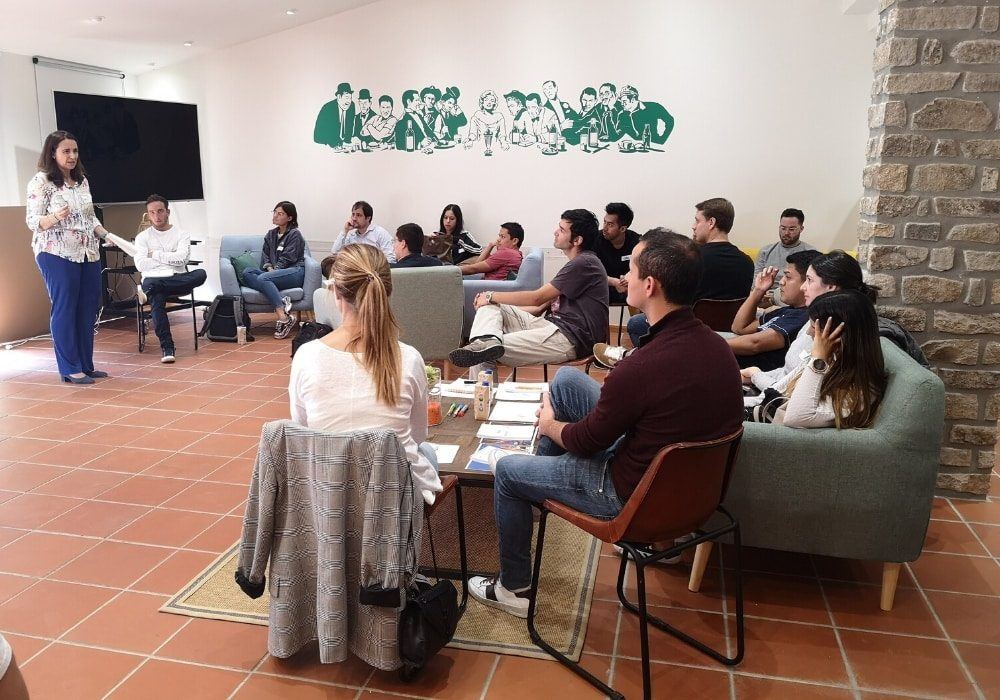
Organizing a team building event seems simple until you actually get down to it: you have to choose an activity, find a venue, work out a budget, coordinate dates across dozens of different schedules, and, on top of that, make sure the experience lives up to the team's expectations. If this is the first time you're taking on this task at your company, it's normal to feel like you don't know where to start. In this practical guide we walk you through the whole process step by step: from defining the activity's real objective to measuring whether it worked once it's over. By the end you'll have a clear roadmap you can apply regardless of your team's size or the budget available.
The most common mistake when organizing a team building event is starting with the activity instead of starting with the objective. It's tempting to search directly for "fun activities for companies" and pick whichever catches your eye, but without a clear objective it's easy to end up with a nice experience that doesn't actually solve anything. Before browsing catalogs, ask yourself what your team really needs right now: improving communication between departments? integrating new hires? closing out the year with a good shared memory? disconnecting after a period of heavy pressure?
This objective will shape every decision that follows: the type of activity, its length, the format, and even the venue. Spending half an hour on this step, even though it might feel like a waste of time when what you really want is to get to the fun part, is what makes the difference between a memorable event and one that's forgotten by the following week.
With the objective clear, it's time to nail down the practical details. The available budget will shape both the type of activity and the venue and length, so it's worth having it defined from the start to avoid wasting time exploring options that aren't viable. The date is another critical factor: the more advance notice you give, the easier it will be for most people to attend, especially if the company has several offices or staff who travel frequently.
The number of participants also directly affects which activities are viable. Organizing an experience for a team of ten people is not the same as coordinating a day for two hundred, and not every offer on the market is designed to scale to large groups without losing quality. Having this figure clear from the start avoids last-minute cuts.
With the objective, budget, and number of participants defined, it's time to choose the specific activity. This is where it helps to rely on a specialized provider who can advise you based on experience gained with other companies, rather than trying to improvise a homemade dynamic that might not work as expected. A good team building provider doesn't just offer a catalog of activities — they also bring knowledge about what works best depending on the team's profile, the time of year, or the type of venue available.
You can explore our catalog of team building activities to get a sense of the range of proposals available, from strategy dynamics to food-focused or adventure experiences. And if you have specific questions about how the process works, our team building FAQ section answers the questions companies ask us most often before deciding.
The venue where the activity takes place has much more influence on the final result than it might seem. A poorly chosen venue, one that's hard to reach or lacks the right conditions, can hold back even the best-designed dynamic. It's worth considering accessibility for the whole team, especially if some people are traveling from another city, whether the venue's capacity matches the expected number of participants, and whether it needs specific adaptations depending on the type of activity chosen.
If your company is in Madrid or has team members traveling there, you can check out our specific team building in Madrid proposals, with venues and activities already adapted to the city. We also work with teams in Barcelona and across the rest of Spain, so if your office is somewhere else, the best thing to do is tell us where you're based and we'll suggest the options that best fit your area.
Once the activity is booked, don't make the mistake of announcing it the day before hoping to surprise the team. While a surprise can work occasionally, in most cases it's better to communicate the activity with enough advance notice for people to organize themselves, especially if it involves travel, specific clothing, or a relevant physical condition. Use that communication to build anticipation: sharing a hint of what they're going to experience, without giving everything away, usually increases people's eagerness to take part.
This is also the moment to gather relevant information such as food allergies, reduced mobility, or any circumstance the provider needs to take into account to adapt the activity and make sure everyone can take part on equal terms.
A centralized communication channel, whether a joint email or a message in the team's group chat, prevents information from getting lost across scattered conversations and ensures everyone arrives on the day of the activity with the same information about timing, meeting point, and any practical instructions worth keeping in mind.
On the day of the activity, the company's role changes: it's no longer about organizing, but about taking part. Managers or executives often feel the temptation to keep "managing" during the activity, but team building works better when everyone, including the most senior profiles, gets involved like everyone else. Letting the provider's facilitation team run the dynamic allows the internal organizers to also enjoy and take part fully, which is, after all, one of the goals of the day.
There's a series of mistakes that come up quite often among companies organizing a team building event for the first time, and knowing about them in advance helps you avoid them. The first is not leaving enough room in the calendar: booking the activity with very little notice greatly limits the available options, both in terms of providers and venues, and usually means less flexibility to adapt the proposal to the team's real needs.
The second common mistake is choosing an activity based solely on what the organizer would personally enjoy, without taking into account the diversity of the real team: different ages, different physical conditions, more introverted people who might feel uncomfortable with very exposed dynamics, or simply different tastes across departments. A good provider should ask about these nuances before proposing a specific activity, and adapt the format if necessary so no one is left out.
Another common oversight is not having a backup plan for bad weather, when the activity is outdoors, or for possible last-minute drop-outs in the number of participants. And, finally, one of the most frequent mistakes is treating team building as an isolated one-off expense instead of as part of an ongoing strategy: the best results come when the company maintains a certain regularity, not when it organizes a single activity and never repeats it for years.
Once the activity is over, don't consider it fully closed. Setting aside a short moment, whether an informal chat the next day or a thank-you email with a few photos from the event, helps the memory settle in and makes the team feel the experience had a proper close, not that it simply ended. If the initial objective was specific, such as improving communication between two departments, it's worth watching in the following weeks to see if any difference shows up and, if necessary, planning a new activity later with a different approach.
It's also good practice to jot down, even briefly, what worked well and what could be improved for next time: whether the chosen venue turned out too small, whether the activity ran short or long, whether there was any logistical hiccup. This small internal review exercise, which takes just a few minutes, makes organizing the next team building event much easier and helps avoid repeating the same mistakes.
At Kaizen we've spent more than fifteen years supporting companies through this whole process, from the first conversation to the day of the event and the follow-up afterward. If you'd like us to help you organize your company's team building event without the hassle, contact us and we'll design together the experience that best fits your goal, your budget, and your team.
We design the activity around your company and send a no-obligation quote within 24 hours. Here are some of the most popular:
Event
Why starting a launch with a team building activity builds more commitment than an email or a slide-…
Read more Event
Event
How to use team building dynamics at networking events to break the ice between people from differen…
Read more Event
Event
Ideas and tips for celebrating your company anniversary by combining recognition, history and a memo…
Read more